

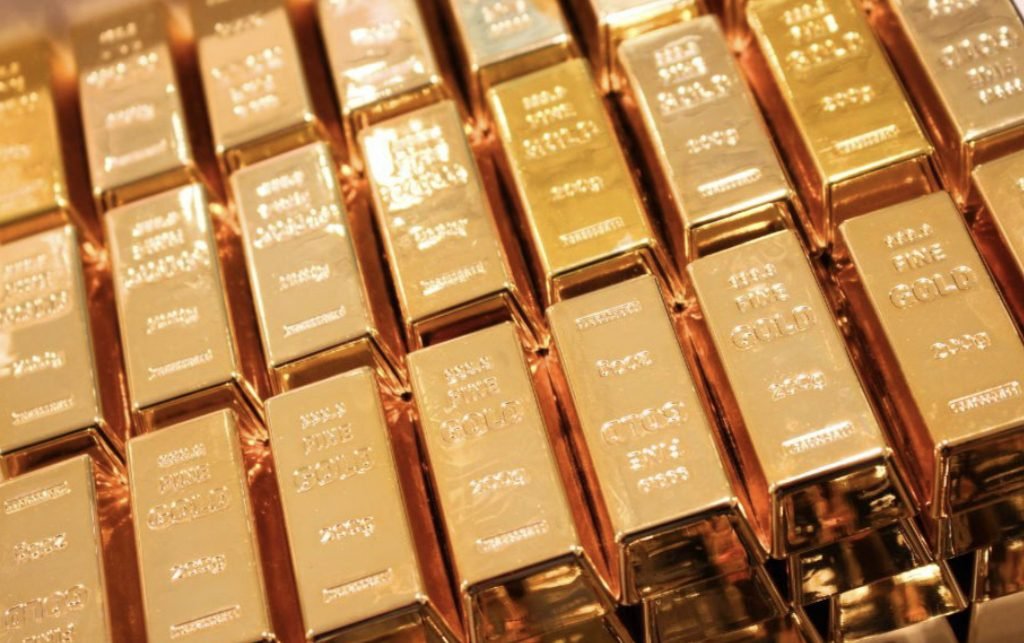
New Delhi, Sept 28 (UNI) Gold and silver prices came under pressure in the international market on Monday. COMEX gold fell 1.57% to $4,253.40 an ounce, falling below the key $4,300 level. Meanwhile silver on COMEX lost 2.76% to $63.01 an ounce.
The latest fall follows a week of weakness in both precious metals last week, keeping investors focused on the next direction of bullion prices in global and Indian markets.
Why are the prices of gold and silver falling?
This week’s decline in precious metals has been blamed on shifts in global interest rate expectations, a stronger US dollar and higher bond yields.
Higher crude oil prices have also heightened concerns about inflation. This has affected expectations for the future path of US monetary policy and put pressure on non-yielding assets such as gold and silver.
Geopolitical developments and the uncertainty surrounding the US-Iran situation have been key considerations for global markets.
Gold Price India
The weakening of international gold prices is also being witnessed in the Indian precious metals market. Domestic prices do not, however, always move in the same proportion as international prices.
Gold prices in India are influenced by international bullion prices, movement of Indian rupee against US dollar, import costs, taxes and domestic demand.
Recent market data showed that the domestic spot gold closed the September 25 session at around ₹ 1,51,377 per 10 gram while silver was around ₹ 2,31,793 per kg.
October gold futures had closed around ₹1,50,700 per 10 grams while December silver futures had closed near ₹2,35,000 per kg on the MCX.
More Gold Falls, Silver Falls
In the latest international session, silver has seen a sharper fall than gold.
COMEX silver dropped 2.76% to $63.01 per ounce, and gold fell 1.57% to $4,253.40 per ounce.
Silver prices are influenced by both investment demand and industrial demand. This means silver can be vulnerable to relatively sharp moves on swings in global economic growth expectations, manufacturing activity, the US dollar and interest rates.
What can happen to gold and silver in India?
Precious metals in India will move in a direction determined by several domestic and international factors.
Investors will be eyeing the US Federal Reserve interest rate outlook, US dollar movement, bond yields, crude oil prices and upcoming economic data.
At the domestic front, movement of rupee against dollar, MCX prices, festive demand and local bullion market conditions will also matter.
If international gold and silver prices remain under pressure, domestic prices could also come under selling pressure. But currency moves and domestic demand may limit or amplify the effect of the global decline.
What should an investor do now?
The latest fall does not mean gold or silver prices have bottomed out for the long-term. Precious metals can be volatile as global interest-rate expectations and geopolitical developments shift.
Investors should look at their investment horizon, risk appetite and existing portfolio allocation before taking any fresh position.
For those investing for the long term, they may want to consider staggered buying, rather than making a decision based on a single day’s price movement. Meanwhile, short-term traders can track international bullion prices, movements in MCX, dollar and US bond yields closely.
Things to watch for
Gold and Silver Next Move: What Investors Should Be Watching
- US Federal Reserve rate hike expectations
- movement of the US dollar
- US Treasuries yields
- Oil prices
- US Inflation and Economic Data
- Geopolitical developments
- Rupee to dollar exchange rate
- Domestic Festive & Investment Demand
Bottom Line
Gold is trading below the $4,300 per ounce mark, and silver is down even more sharply, by almost 2.8% in the latest international session.
However, the global trend will be an important factor for Indian investors but the domestic gold and silver prices will also depend on the rupee, MCX movement, import costs and local demand.
Investors should keep a close watch on these factors and take into account their own financial objectives and risk tolerance when making investment decisions.
